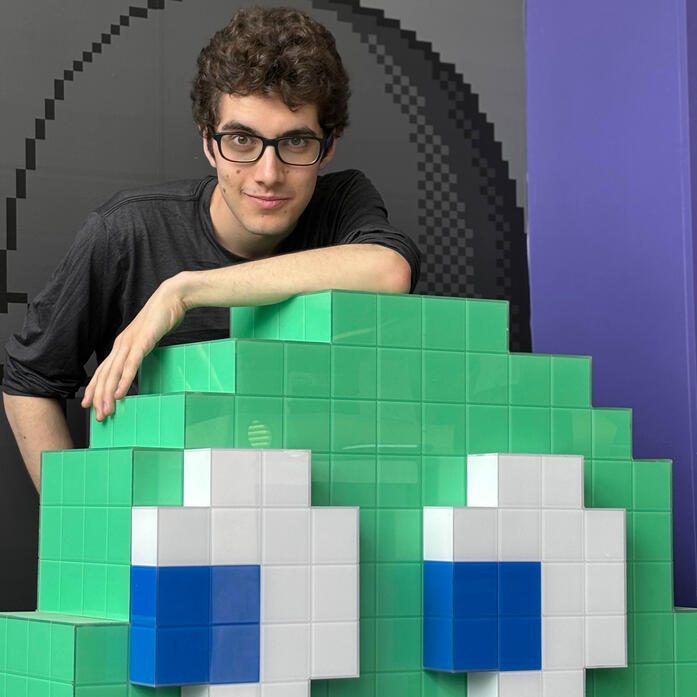
Video Game Designer, Advertising Creative
Hey! I'm Raph, an aspiring game designer and advertising creative passionate about crafting engaging player experiences. Beyond games, I'm passionate about photography, anything retro and the mysteries of the cosmos.Learn some more about me here.
Portfolio


About me
Who am I?
Nice to meet you, I’m Raph!Games have been part of my life for as long as I can remember. It started early with Club Penguin, and that obsession slowly evolved into a deeper curiosity about how games are built. Along the way, cinema became just as important to me. I’ve logged over 1200 films on Letterboxd, attend festivals when I can, and I’m constantly inspired by how directors use pacing, framing, and structure to create emotion.That love of cinema naturally led me to photography. There’s something magical about capturing a single moment, choosing the frame, the light, the perspective. I still head out with my camera regularly, just to see what I might find!I’m also deeply fascinated by space, the scale, the mystery, the almost incomprehensible size of it all. I could talk for hours about the cosmos, paradoxes, or time-related concepts. My lifelong love of Doctor Who definitely plays a part in that. Time loops, alternate timelines, impossible spaces, those ideas endlessly inspire me (and yes, I’d love to build a game around them someday).In terms of communication, French is my mother tongue, but I'm just as comfortable working and creating in English.At the core of everything I do is curiosity. Whether it’s games, films, photos, or the universe itself, I’m drawn to experiences that create wonder and I’m excited to keep learning how to design that feeling for others.
Where I've worked
| Company | Role | Year | Main skill |
|---|---|---|---|
| RAMQ | Office Clerk | 2025 - Today | Communication |
| RetroMTL | Store advisor | 2024-2025 | Game Knowledge |
| Parkland | Administrator | 2022-2023 | Data Entry |
What I've studied
| School | Subject | Year | Main skill |
|---|---|---|---|
| UdeM | Marketing and Creative Communication | 2025 - Today | Marketing |
| UdeM | Game Development | 2023 - 2025 | Design |
| Cégep André-Laurendeau | Cinema | 2021 - 2023 | Film Composition |
Contact me
Let's talk, I'm always a single click away!
Just a Regular Human
McGameJam - February 2026

"Blort has breached containment. Blend in, steal back your stuff, and outsmart the agent on your neon trail."
Customizable character
Project Details
Game Engine: Unity
Roles: Game Designer, Level Designer
Status: Finished and released on Itch.io
Context
Location: McGill University
Event: McGameJam 2026
Duration: 48 hours
Team Structure: 8-person team
Paint the environment as you go
Controllable camera system
Blend in mechanic
Item collecting
The Idea
With the imposed theme “The Hunt”, I chose to reverse expectations: you are not the hunter, but the hunted.To make this interesting, the game would blend stealth and speed. As you move through the office, you would leave glowing footprints that certain enemies can track. Movement would keep you alive, but it would also expose you. Over time, the environment fills with evidence of your actions, turning space itself into pressure for the player to go faster.To win, the player must collect four randomly placed items across the level.
My contributions
I started by defining the core gameplay loop, making sure it aligned with the team’s ideas while keeping a clear direction.I then refined the overall stealth dynamic, including early enemy speed balancing. If enemies were too slow, there was no pressure; too fast, and the experience became frustrating. Small value changes had major impact, so careful tuning was essential.Next, I heavily iterated on level layout, adjusting routes and sightlines to preserve that balance between tension and flow.The items scattered around the map were added along with a controllable camera system, letting you turn your point of view around to see items you may have missed.Finally, I selected and integrated specific jam “diversifier” challenges, mainly art-focused ones, to optimize the team resources and maintain a strong gameplay focus.
What I learned
This project reinforced the importance of playtesting and iteration. I realized we should have tested more frequently to validate pacing and difficulty earlier.It also highlighted how crucial it is to continuously revisit level design based on player feedback. Small layout adjustments can significantly impact tension and clarity.Finally, I learned the value of establishing a strong creative direction from the start. Some team members imagined a fast-paced experience, others a slower stealth game. Aligning everyone around a clear design vision early on would have improved cohesion and decision-making throughout development.
Doorbound
April 2025 - In progress
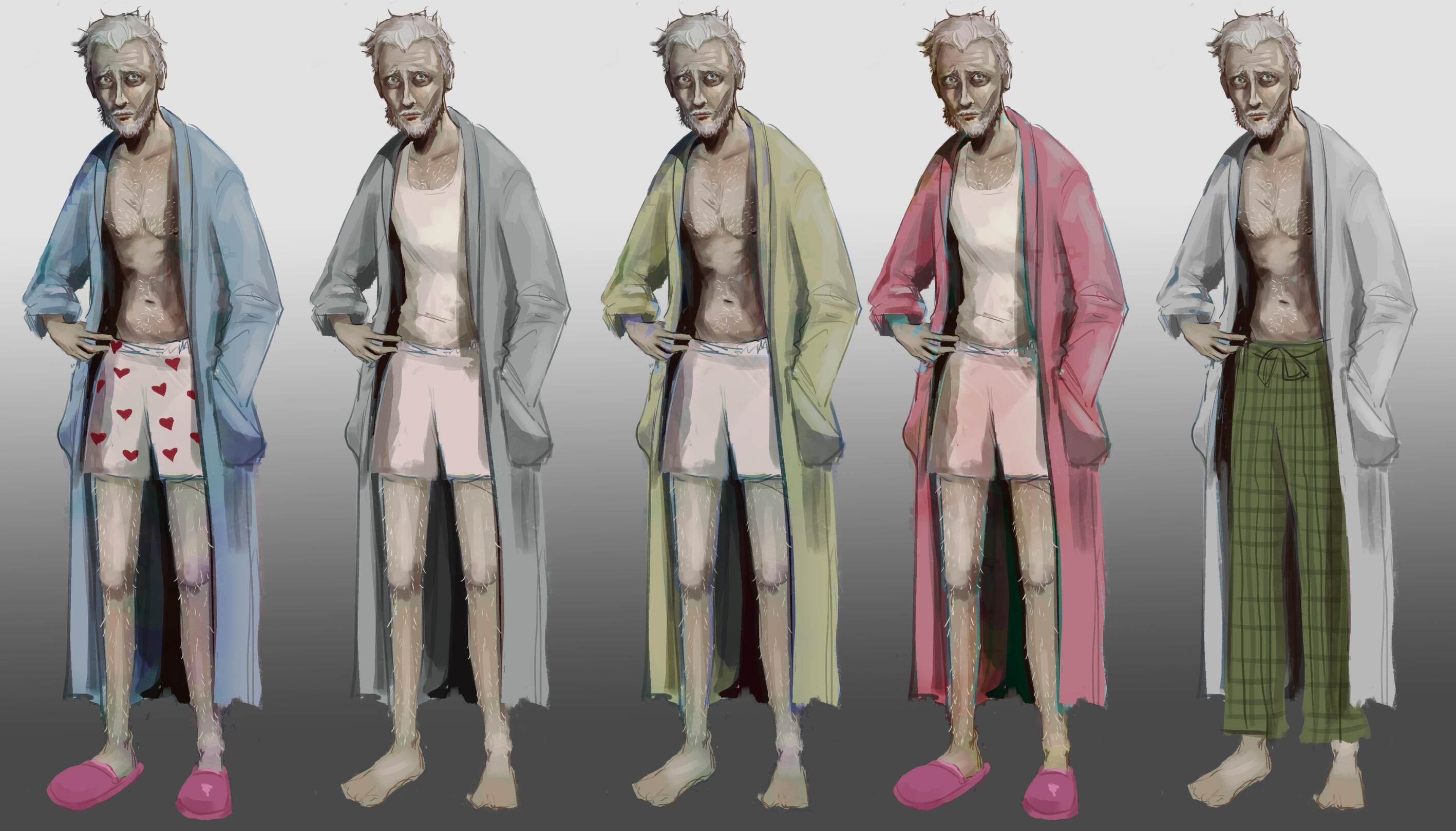
"I once dreamt of a door, an impossible door, a door that would change everything. Then one day...
It wasn't a dream."
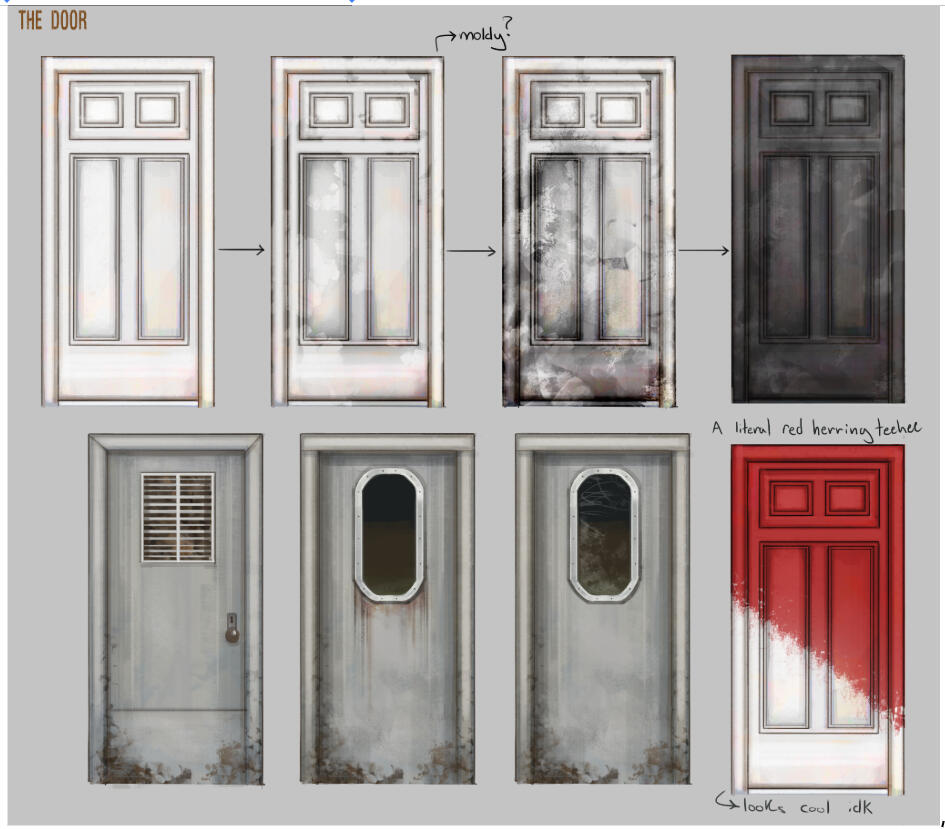
Early concepts of the Door
Project Details
Game Engine: Unity
Roles: Game Designer, Project Manager, Creative Director, Marketer, Writer
Status: In progress
Aim: Full Steam release
Context
Purpose: Make a shipped Steam game
Duration: Multiple months
Team Structure: 4-person team formed by myself
Controllable camera system
Peer through walls
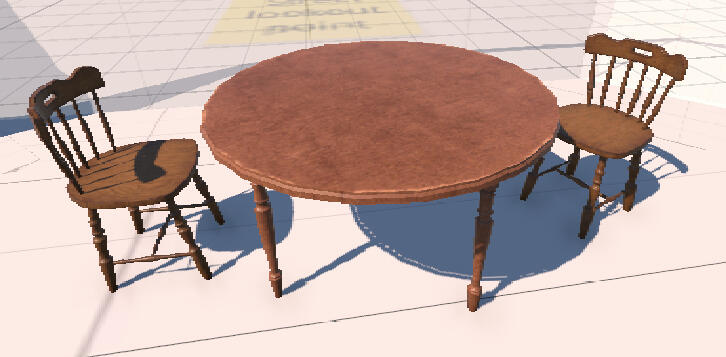
Early models
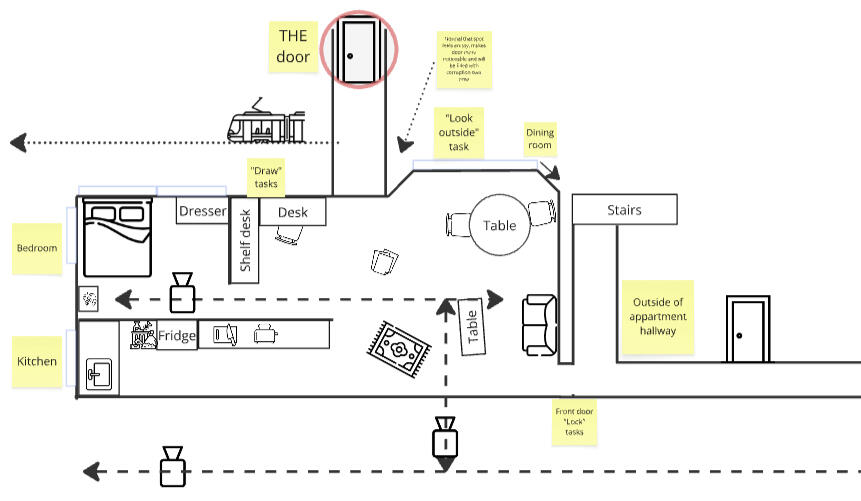
Early level layout
Early interaction mechanics
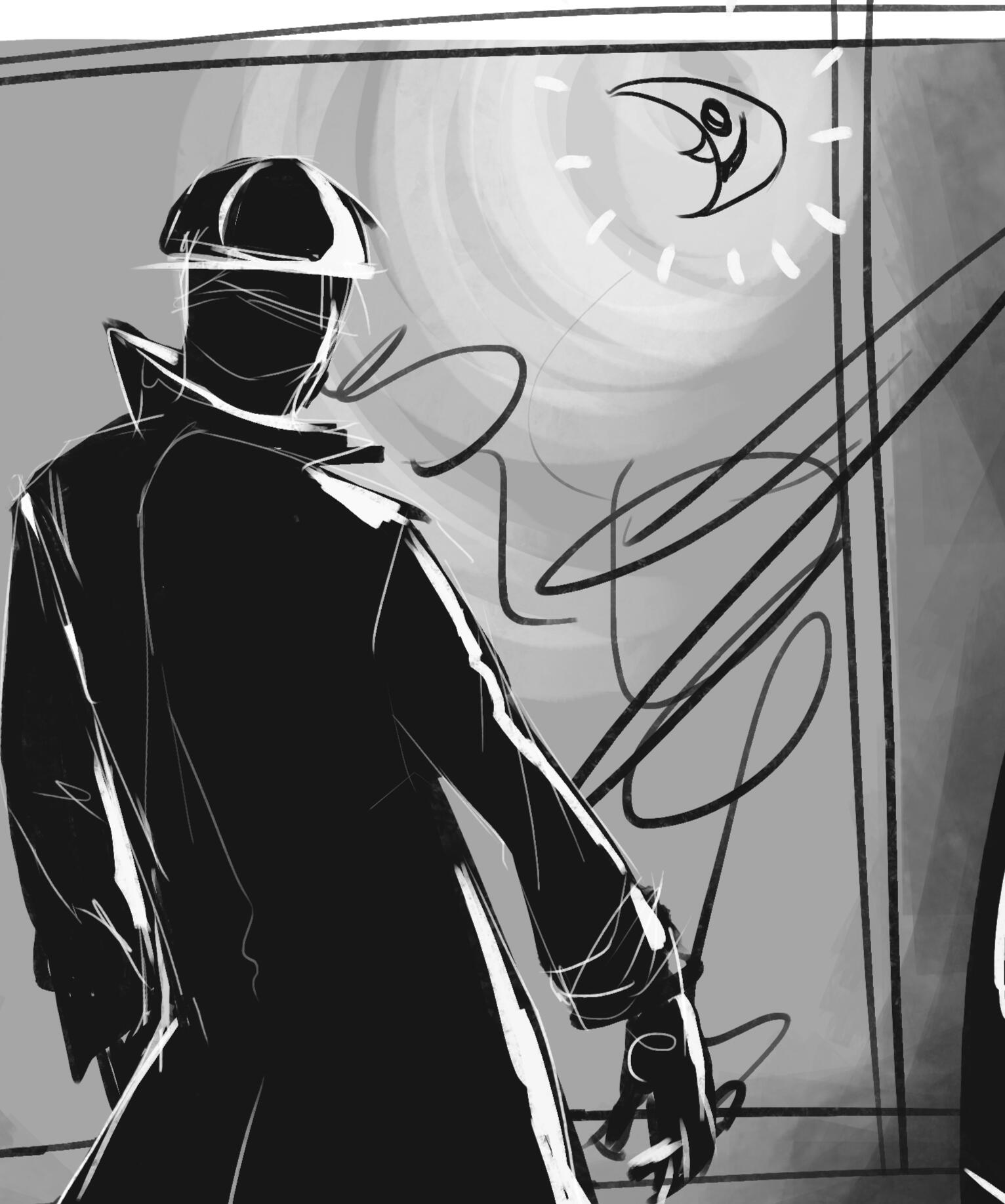
Character concept art
Animation tests
Voyeuristic camera
The Idea
Doorbound is a psychological horror game that destabilizes the player’s perception of reality through both narrative and mechanics. Inspired by titles such as Mouthwashing and the Silent Hill franchise, the project explores mental deterioration through gameplay systems.The experience revolves around normal daily tasks that progressively distort as the protagonist loses control. Rather than separating story and gameplay, the design ensures that mechanics directly reinforce psychological decline.Set almost entirely within a confined apartment space and an adjacent surreal world, using environmental storytelling, spatial distortion, and perspective shifts to create unease without relying on traditional horror tropes.
My contributions
Game design
I began the project by redefining the 3Cs (Character, Controls, Camera) to align with the psychological goals of the experience.→Designed an unconventional click-and-drag control scheme inspired by touch interfaces to create unease.
→Developed a dynamic camera system that shifts between first-person, third-person, voyeuristic framing, and character-based perspectives to destabilize player orientation.
→Implemented a minimal, UI-less experience.
→Structured the gameplay loop so that mechanics mirror the protagonist’s mental state.The goal was to create an emotional arc where interaction carries the game's tension.
Level Design
The story’s confined apartment is an important spatial constraint. With limited square footage, each area must:→ Support narrative progression
→ Enable interaction escalation
→ Deliver environmental storytellingI iterate extensively, often producing dozens of layout variations, to ensure that every square meter conveys meaning and supports pacing. This design approach strengthened my ability to maximize environmental impact within limited space.
Creative direction
As the project’s director, I ensure communication and cohesion across design, art, and programming.→ Define and protect the creative vision
→ Align teams toward consistent tone and goals
→ Guide mechanical decision-making
→ Write and refine the narrativeMy focus is on maintaining creative coherence while allowing each department creative liberty.
Production and leadership
Beyond design, I oversee production and organization:→ Milestone and deadline management
→ Team coordination and workflow structuring
→ Funding research and development planning
→ Marketing directionThis role has strengthened my ability to balance ambition with realistic scope management.
What I'm learning
Although still in development, Doorbound continues to significantly expand my skills. I continuously prototype and test mechanics in Unity to refine interaction values and calibrate the tension, discomfort, or relief.This has helped my ability to transform concepts into playable systems. The project pushes me to design systems with a strong integration between gameplay and narrative.Designing within a small apartment has also strengthened my ability to make small spaces feel full, meaningful, and replayable. Finally, implementation has improved my skills in bringing my design intent into Unity systems.
Ratz
Creative Game Jam - September 2025

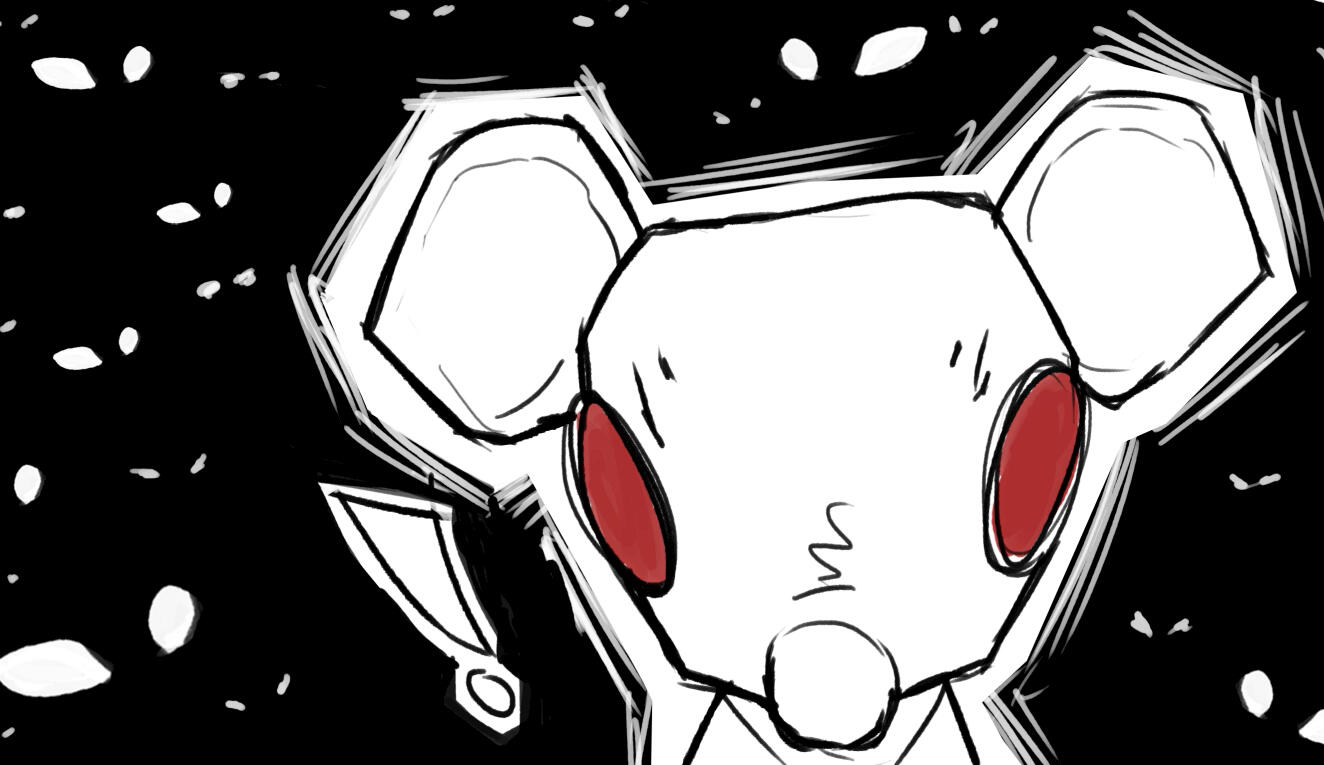
"The revolution is upon us, escape the sewers, defeat the cats, and grow to be the leader of all the rats."
Project Details
Game Engine: Unity
Roles: Game Designer, Level Designer
Status: Finished and released on Itch.io
Context
Location: NAD-UQAC University
Event: Creative Game Jam 2025
Duration: 48 hours
Team Structure: 7-person team
Movement tutorial
Collecting mechanic
Shooting mechanic
Additional line unlocked
All previous mechanics combined over time
The Idea
For Ratz, I intentionally leaned into extreme design constraints to elevate the theme “Start from Nothing”.While the theme naturally suggested a lone rat in the sewers, I chose to push the challenge further by integrating four optional constraints instead of the required two: one level game, one-button game, five-color limit, and foley-only sound design. These limitations shaped the entire concept.The player begins alone and gradually builds a swarm, transforming from nothing to everything. Every system was built to reinforce a clear arc of growth, from all of its design to all of its art.
My contributions
As Lead Game Designer, I defined the core progression loop and ensured every constraint directly supported the central theme.I designed a scalable one-button control system using the joystick, maintaining strict input limitations while enabling expressive gameplay. This naturally evolved into a runner structure where leftover input could be used as a projectile, at the cost of sacrificing collected rats.This created a meaningful tension: sacrifice units for safety or risk loss for greater reward. Getting hit could cost multiple rats, reinforcing the constant risk–reward calculation.When production time limited full handcrafted level implementation, I worked with the programmers to introduce procedural design elements, maintaining balance while increasing the variability of the experience.The final result was a tightly scoped experience that earned an Honorable Mention, with judges praising its strong constrained design execution.
What I learned
This project confirmed the power of designing under strict constraints. The concept would never have existed without them.I strengthened my ability to build depth from minimal inputs, while maintaining clarity for both team and players.Working under time pressure also reinforced the importance of collaboration, particularly when integrating procedural systems efficiently.Most importantly, I saw how intentional limitations can transform constraints into a competitive advantage.
Playing Games at the End of the World
January 2025 - May 2025

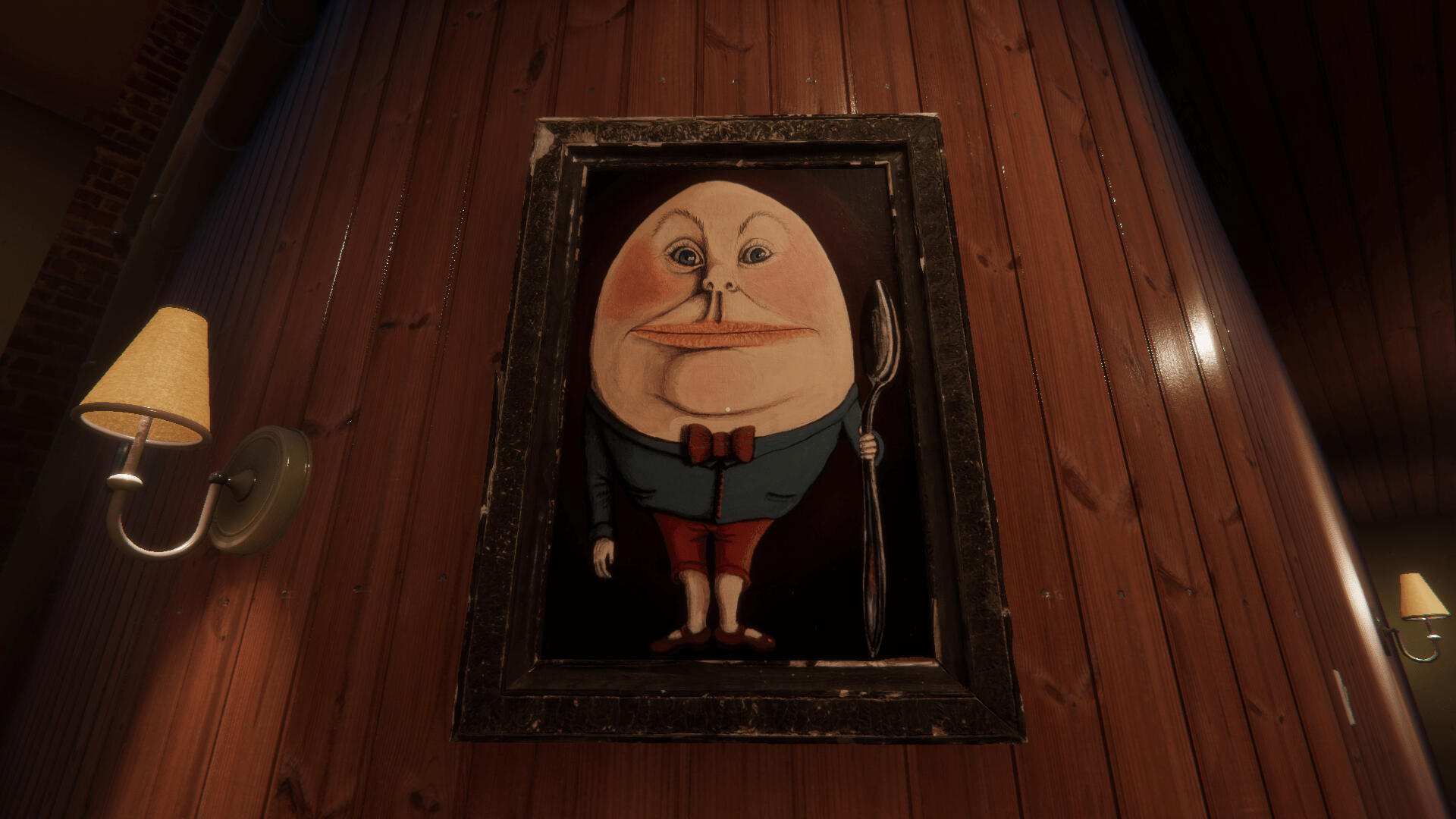
"The outside world is falling apart. The one inside is just as bad. One last game of Snakes N Ladders with your pops before you leave... What could go wrong?"
Project Details
Game Engine: Unity
Roles: Game Designer, Level Designer, QA
Status: Finished and released on Itch.io
Context
Location: Université de Montréal
Event: Final project
Duration: 5 months
Team Structure: 6-person team
Exploration in between the board game portions
Inspecting mechanic
Find secrets around the home
Interact with the right elements to solve the puzzles
Move your piece forward by using a token
Move your opponent's piece backwars by sacrificing a token
The Idea
Playing Games at the End of the World is a first-person 3D horror puzzler built around a twisted reinterpretation of Snakes and Ladders.Because the player has limited time with the board game, clarity was essential. I chose a familiar foundation and transformed it into a competitive and information-driven strategy system instead of a luck-based one.Dice rolls were replaced with visible tokens, letting players to choose how far to move. Since both players could see each other’s remaining tokens, the system introduced prediction and risk management dynamics. Later, tokens could be spent to push the opponent backward, deepening the strategic layer.From a 3C design perspective (Character, Controls, Camera):→ The character functions as the player’s game piece
→ Controls prioritize deliberate choice over randomness
→ Camera and layout subtly guide attention without breaking immersionOutside the board game, I designed a large, shifting house environment filled with puzzles and environmental storytelling.
My contributions
As Lead Game Designer, I was responsible for aligning creative vision for both director and team into a cohesive system.→ Reimagined Snakes and Ladders into a strategic competitive game
→ Designed and documented puzzles, mechanics, and rooms
→ Produced a comprehensive Game Design Document (GDD)
→ Applied MDA and 3C design frameworks
→ Iterated through blockouts in Unity
→ Led QA testing and system balancingThe house level design needed careful structure: it had to evolve tonally and literally throughout the experience while maintaining tension. I built it as an open layout with hidden spaces and layered environmental storytelling.
What I learned
This was my first large-scale collaborative production and strengthened my foundation as a designer.I developed disciplined communication habits through weekly sprint meetings and collaborative iteration. The experience reinforced the necessity of clear, production-ready documentation in multi-month development cycles.Playtesting demonstrated how much refinement is required for systems to feel intuitive and emotionally effective.Most importantly, I had fun. With this project, I confirmed that designing games is exactly what I want to keep doing in life!
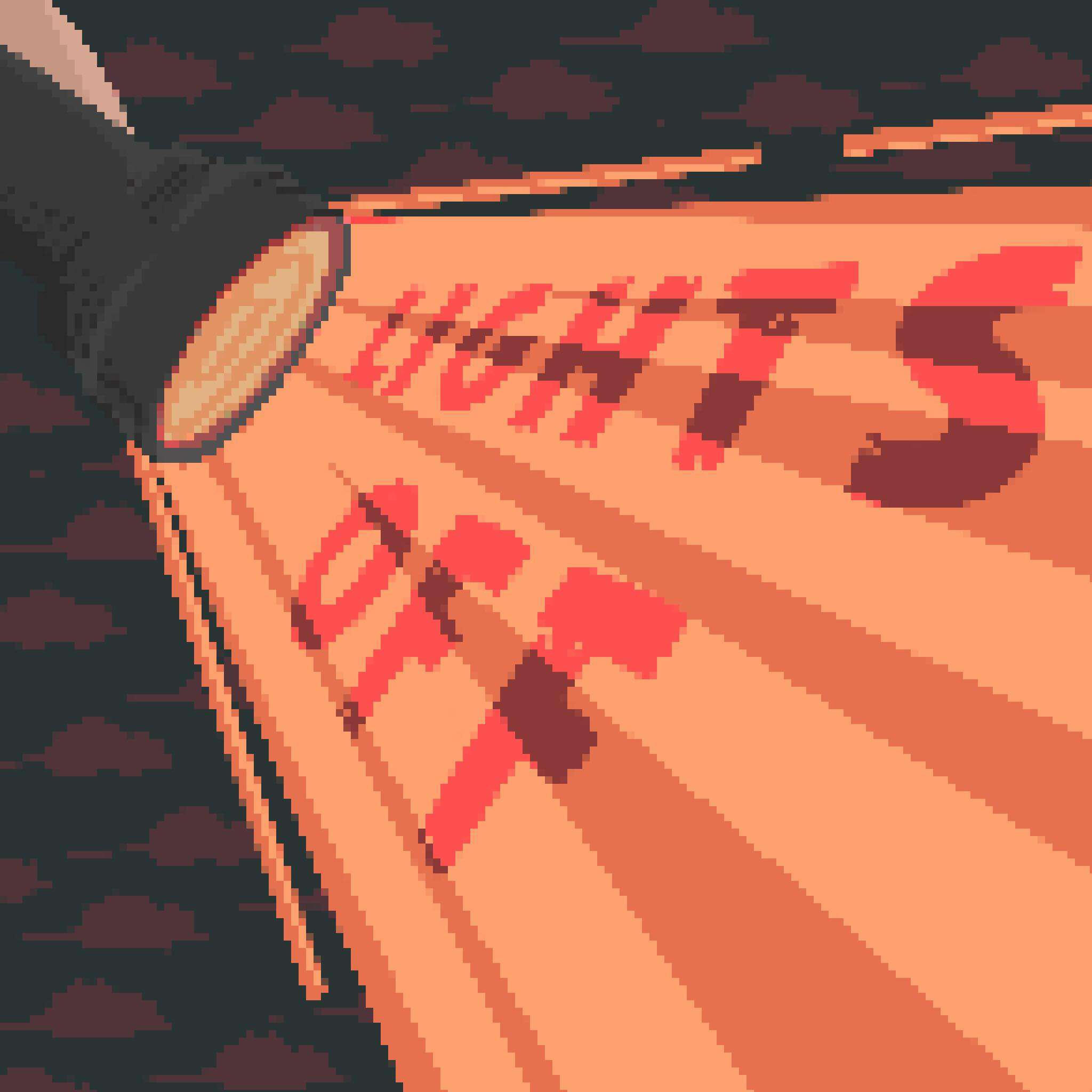
Lights Off!
UDEM Game Jam - October 2023

"If there's one thing monsters are scared about, it's light. Lucky for you, you've got a flashlight."
Project Details
Game Engine: Unity
Roles: Game Designer
Status: Finished and released on Itch.io
Context
Location: Université de Montréal
Event: UDEM Game Jam 2023 (First Game)
Duration: 48 hours
Team Structure: 7-person team
Use your flashlight to see
Kill the enemies and obtain hearts
Find the keys around the map
Don't get cornered!
The Idea
Lights Off was my very first completed game project for my teamates and I.Built around the theme “On/Off”, we quickly centered the concept on a flashlight mechanic, inspired by Luigi's Mansion. The player explores a dungeon and uses a flashlight beam to defeat monsters instantly.To support this mechanic, we structured the game as a dungeon-crawler: defeat enemies, collect item drops, and search the map for hidden keys to win.The core loop was simple and readable: fight waves of enemies, manage survival, gather keys, and clear the level.
My contributions
As Game Designer, I created and balanced the project’s core systems.→Designed the flashlight mechanic with a short recharge time to prevent spamming
→Implemented a heart system with item drops to sustain pressure
→Balanced enemy drop rates to encourage risk-taking
→Structured the overall progression loop around key collectionThis was also my first experience clearly communicating design intentions to a team and translating ideas into mechanics.
What I learned
This project taught me the fundamentals of design and balancing. I learned how small adjustments can dramatically impact pacing and fairness.It reinforced the importance of clear design communication so that implementation aligns with intent.Most importantly, it confirmed my desire to design interactive systems and pursue game design professionally.